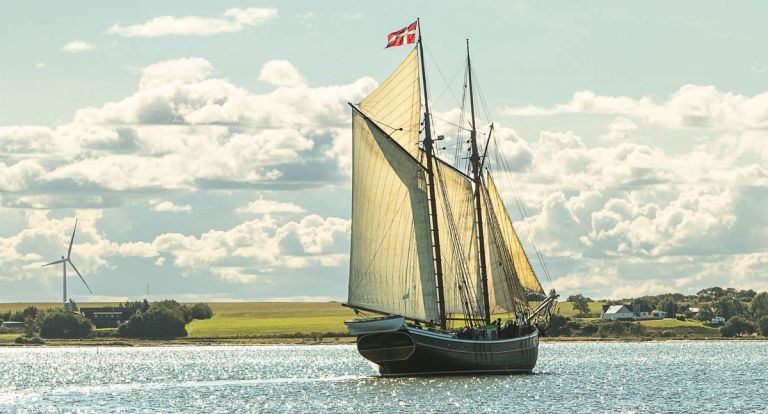
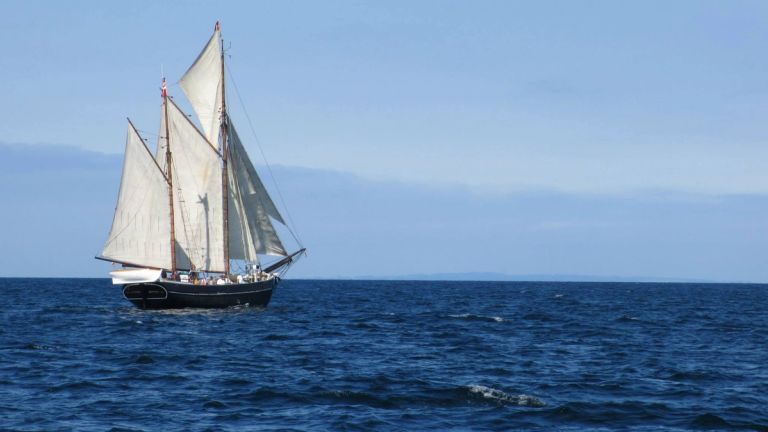
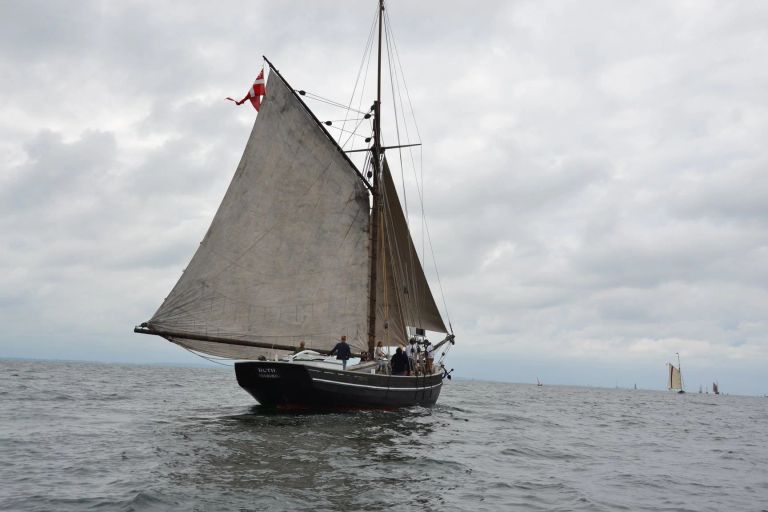
The schooner Fulton
19141970
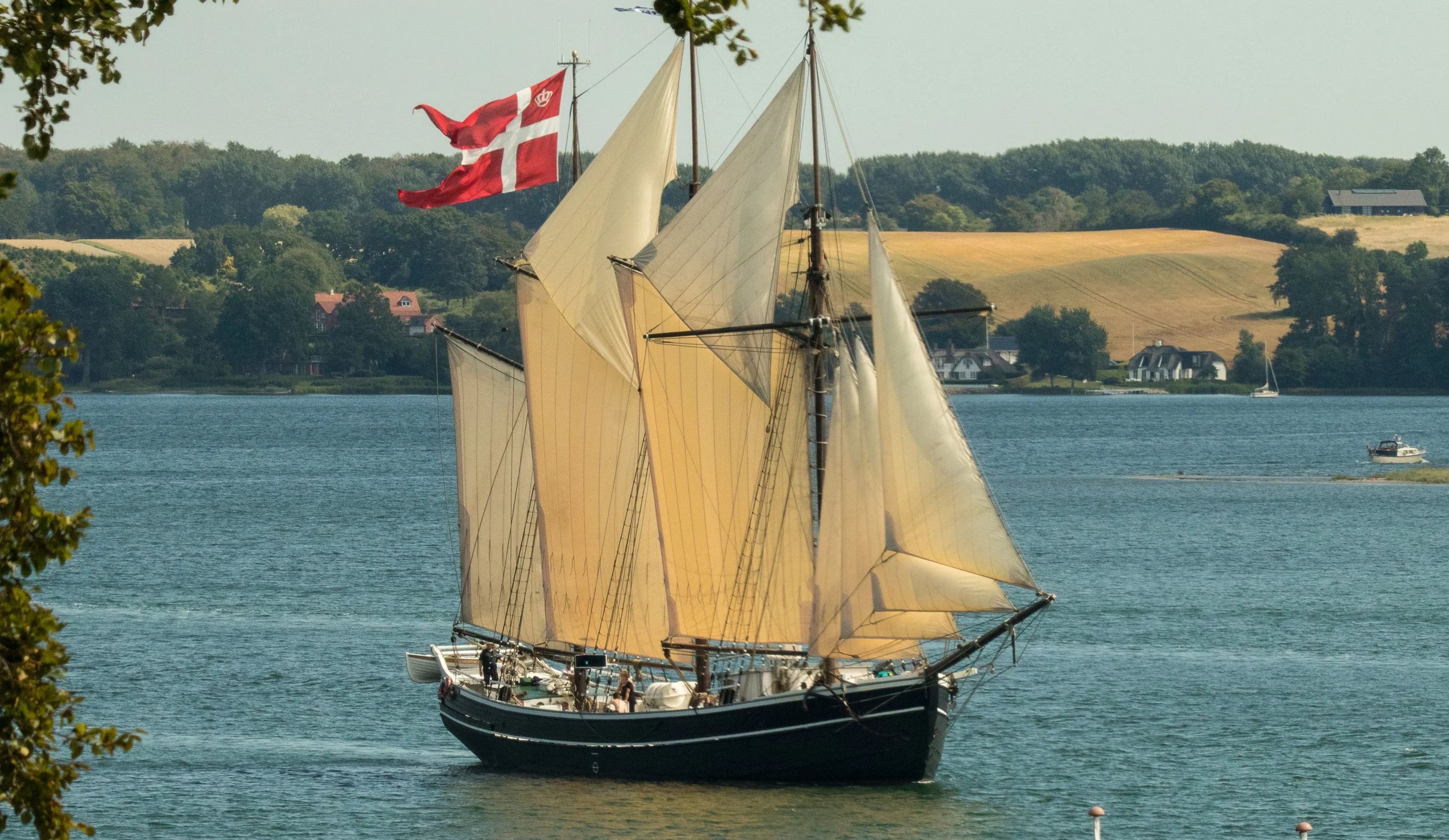
- Build in Marstal
- The schooner was built in 1914–15 by shipbuilder Christian Ludvig Johansen at a cost of DKK 33,000.
- Sailed for 54 years
- From dried cod in the Atlantic to wheat in the Limfjord – the Fulton transported goods until 1969.
- Owned by National Museum of Denmark since 1970
- A donation from Nilfisk A/S ensured that Fulton was preserved for future generations.
The Fulton was built to carry cargo across the world’s oceans, and it remained in service for more than half a century. From dried cod in the Atlantic to wheat in the Limfjord, from a Swedish cargo ship to a Danish vessel for the National Museum of Denmark and school camps.
1.
Marstal sent a fleet out into the world
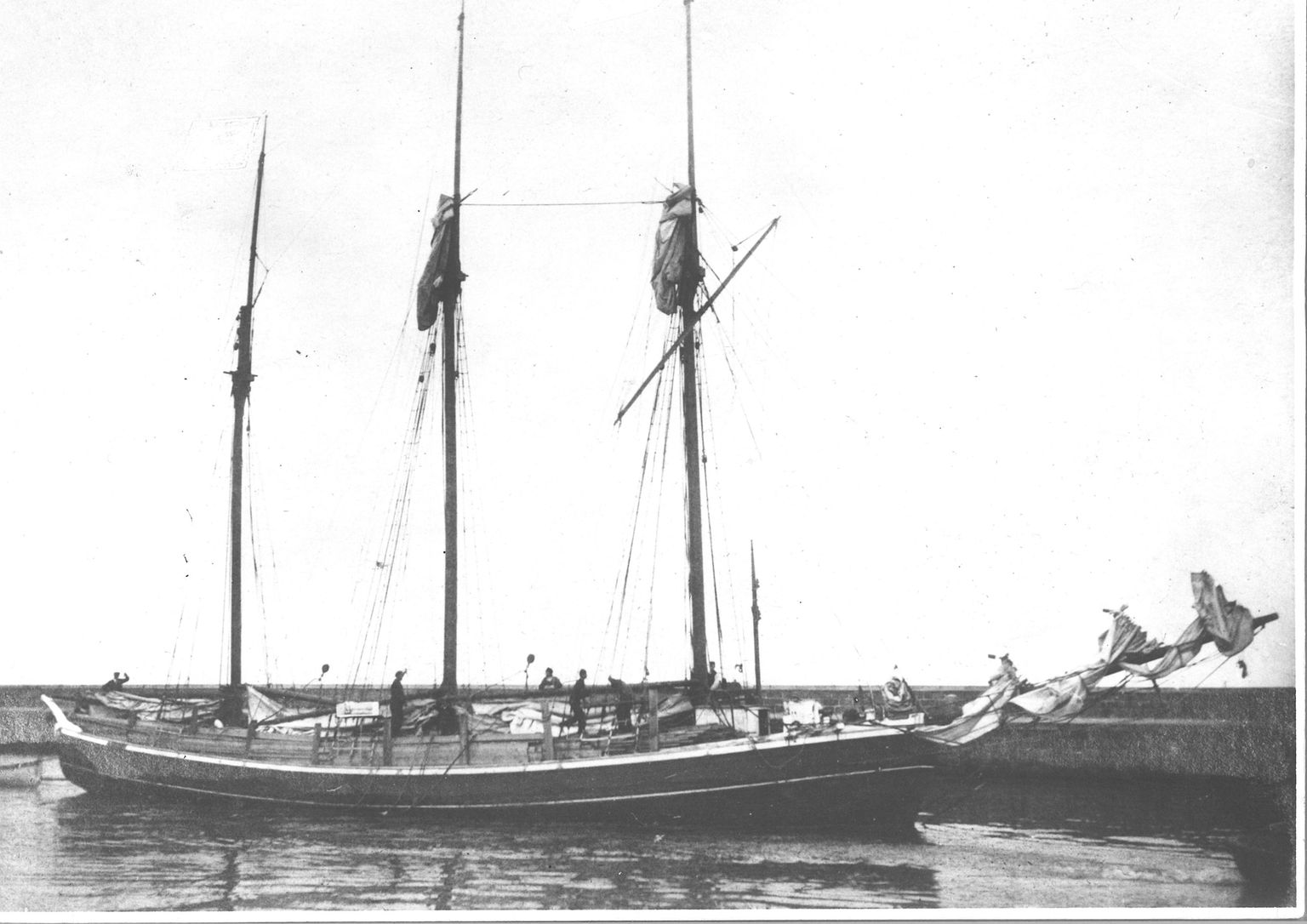
In the years leading up to the First World War, the small town of Marstal on the island of Ærø was something quite special: a seafaring town that equipped and manned a fleet of 150–170 schooners and galleasses with a population of just 4,000. The ships carried cargo across the Atlantic and in European waters, laying the foundations for the seafaring tradition on which Danish shipping is still built. In 1914–15, skipper Marius Eriksen had the Fulton built by shipbuilder Christian Ludvig Johansen for DKK 33,000 – a labour of love, as was the custom in Marstal.
2.
The Sea Sparrow’s 50-year voyage
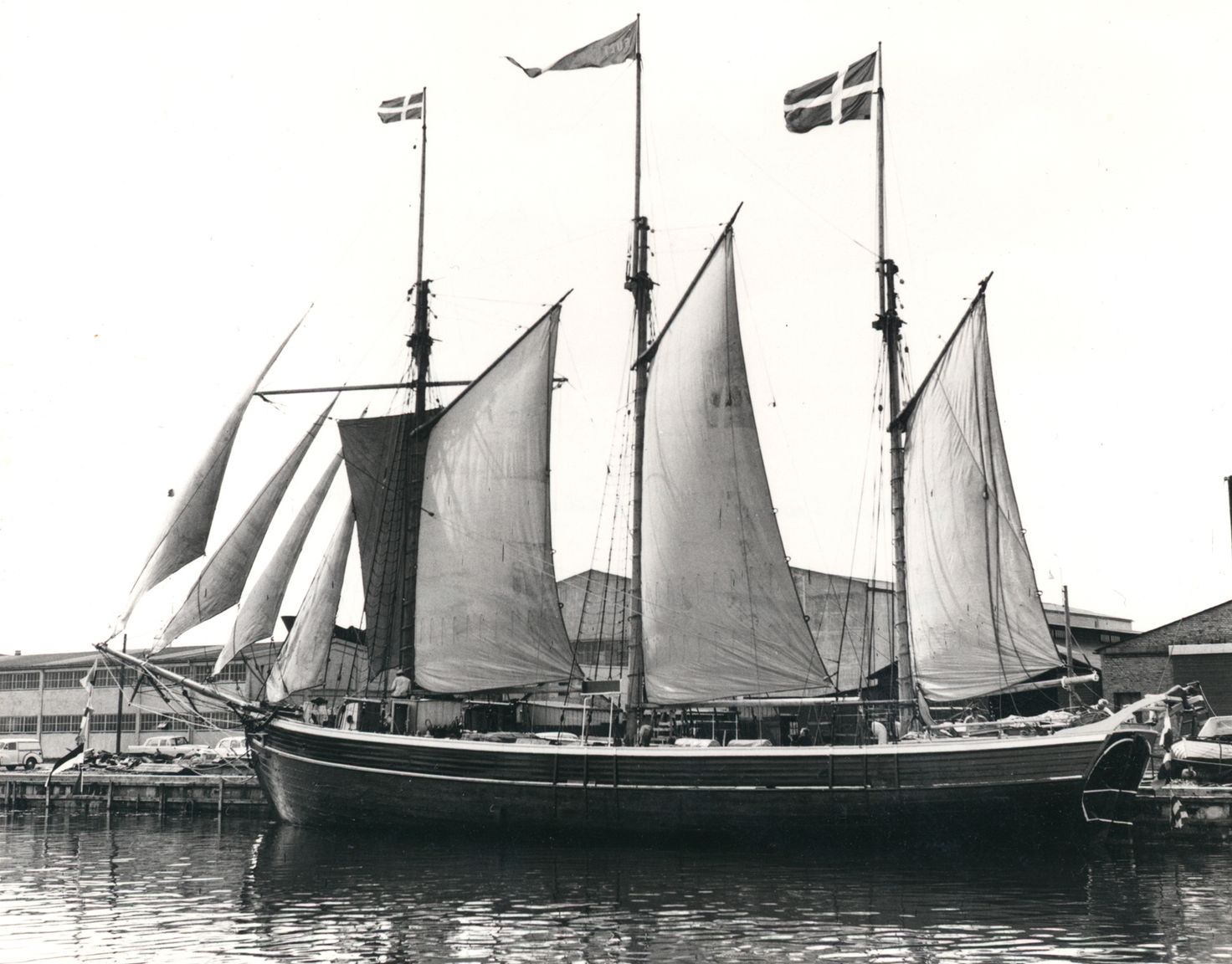
The little Marstal schooners were nicknamed ‘the sparrows of the sea’, as there were so many of them and they were always on their way somewhere. Fulton sailed cargo through two world wars, passed into Swedish hands in 1923, returned to Denmark in 1960 and, along the way, transformed from a pure sailing ship into a motor vessel with few sails. The last cargo was 159 tonnes of wheat, delivered on Christmas Eve 1969, and then it was all over.
3.
From cargo ship to a sense of community on board
When the large fleet of Danish schooners and ketches disappeared in the late 1960s, the National Museum of Denmark wanted to preserve one of them. A donation of DKK 300,000 from Nilfisk A/S ensured that the Fulton became the museum’s ship in 1970 – and the decision was unconventional: the ship was to sail, not remain stationary. Since then, school classes have slept in hammocks in the old hold, and vulnerable young people have found their way as part of the crew – a tradition that continues to this day.
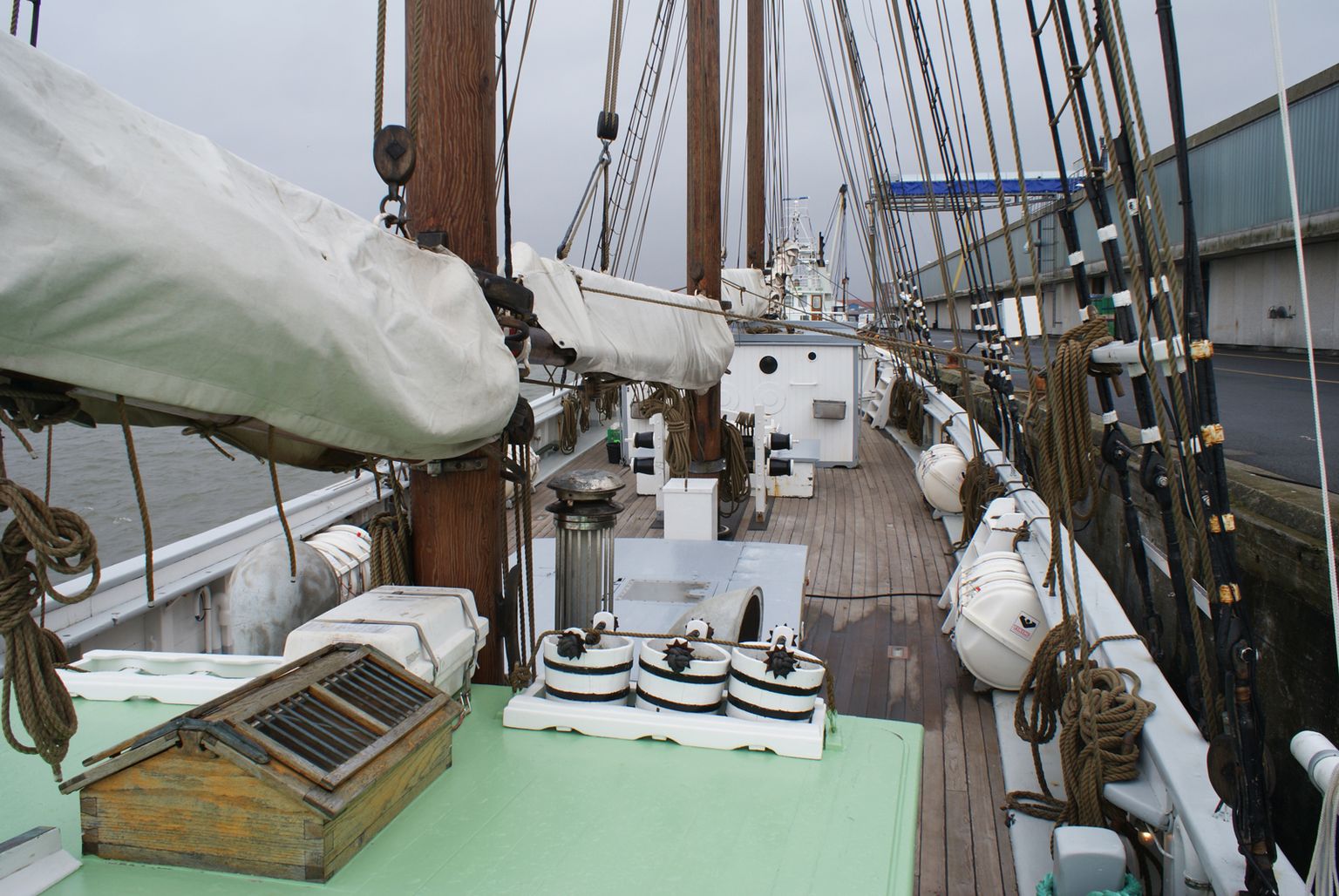
Vessel data
Ship type: Three-masted, yacht-built square-rigged schooner
Length: 38 m.
Beam: 7 m.
Draught: 2.93 m.
Mast height: 24.5 m.
Displacement: 98.24 GRT.
Sail area: 460 m² distributed across 13 sails
Engine: 345 hp.