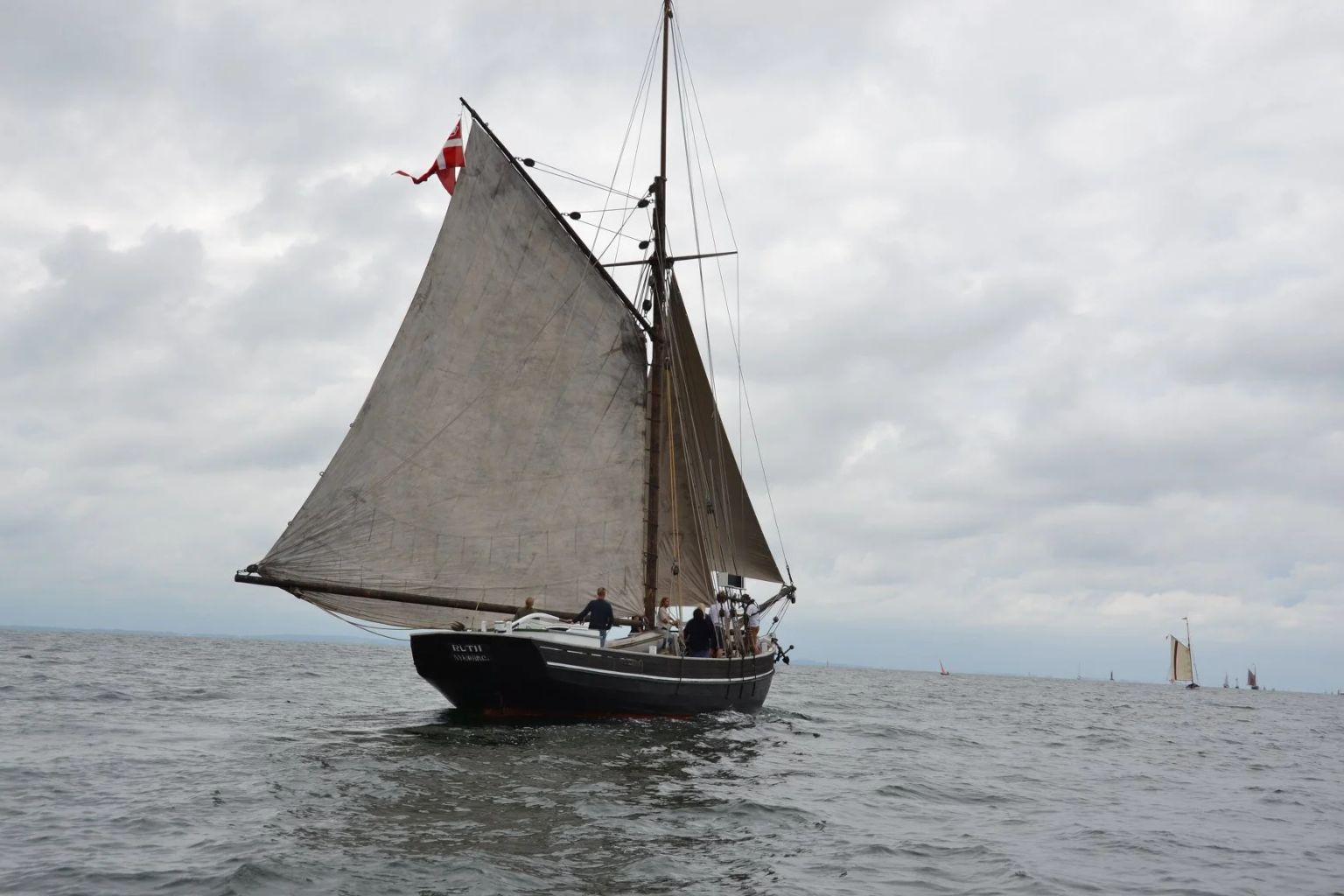
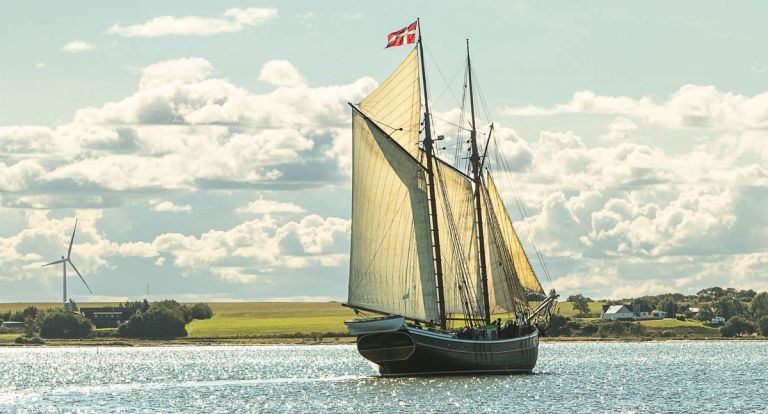
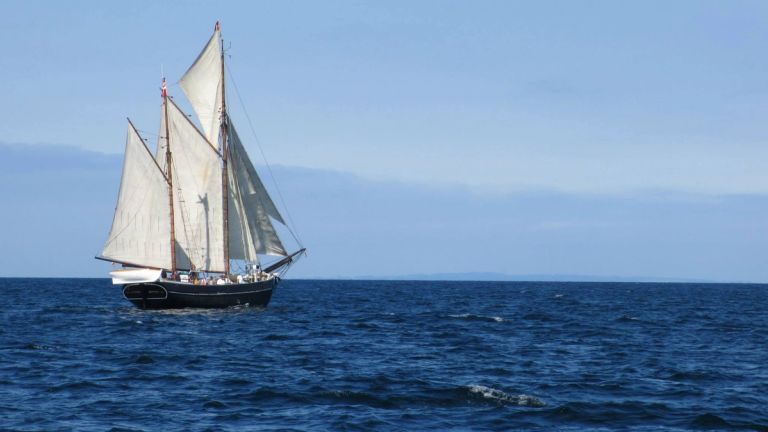
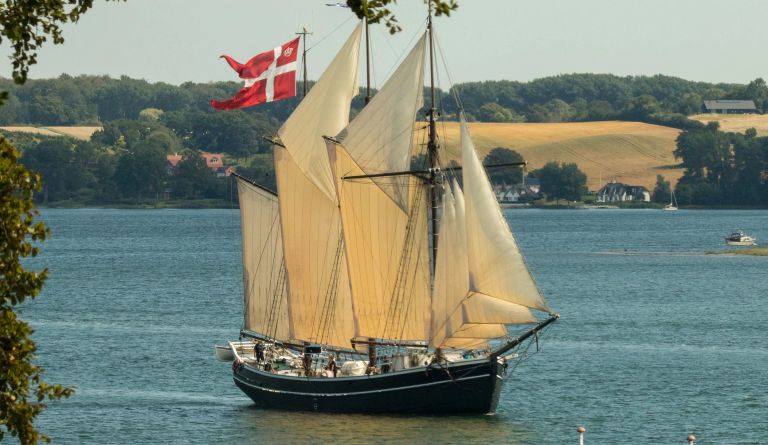
Ruth the sloop
1854 1967
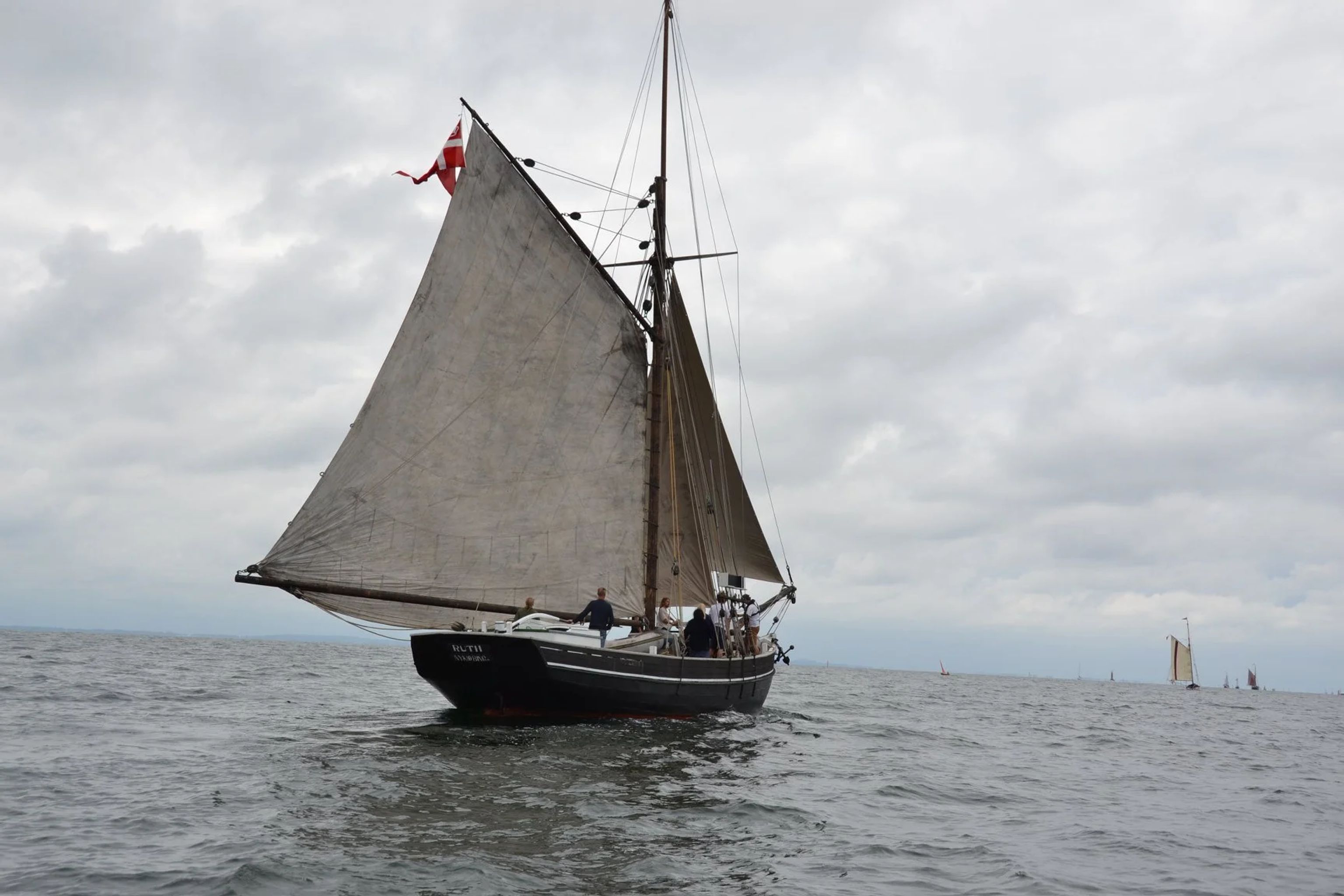
- Built in Svinør, Norway
- Launched in September 1854 at shipbuilder Peter Willumsen’s shipyard in Svinør near Mandal.
- The route of the Danish sloop
- Timber and iron from southern Norway – grain and agricultural produce in return from the North Jutland coast.
- Oak block-built
- Originally built using clinker construction with oak frames and pine planking – later converted to a half-timbered structure in 1898.
- 170 years on and still going strong
- Built in 1854, it was used for commercial purposes for 113 years and is today the world’s only surviving Danish sloop.
Built in Norway, sailed in Denmark and saved at the last minute. Ruth the sloop is the story of a vessel that has survived scrapping, rot and two world wars.
1.
A type of ship built for the sea
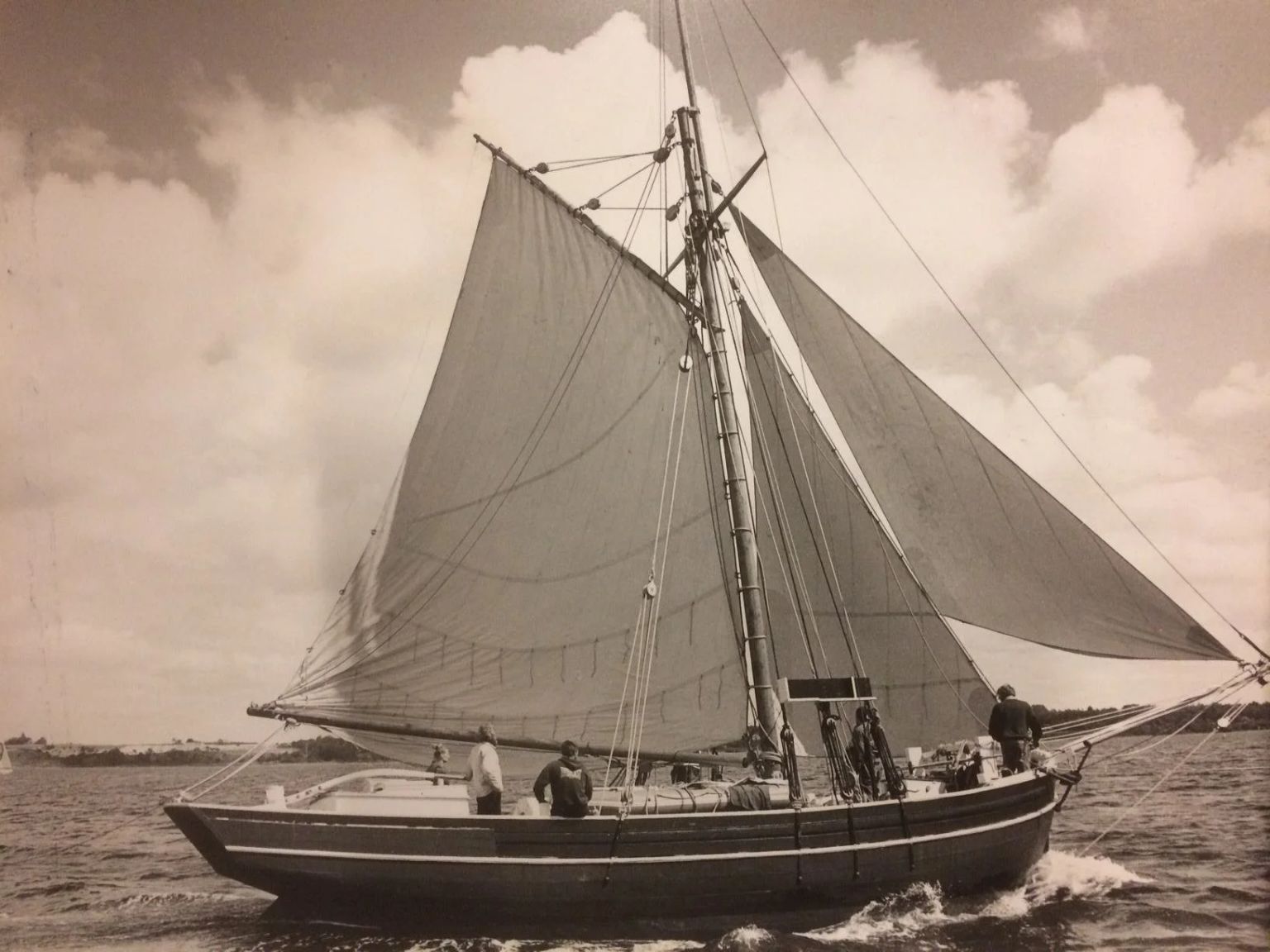
The Danish sloop was not a luxury vessel; it was a working boat, designed to cope with rough weather and a hard sandy seabed. Ruth is clinker-built with oak frames and a hull shape that was already going out of fashion at the time: wide amidships, narrow aft. It wasn’t elegant, but it worked.
2.
From Norway to North Jutland with timber and grain
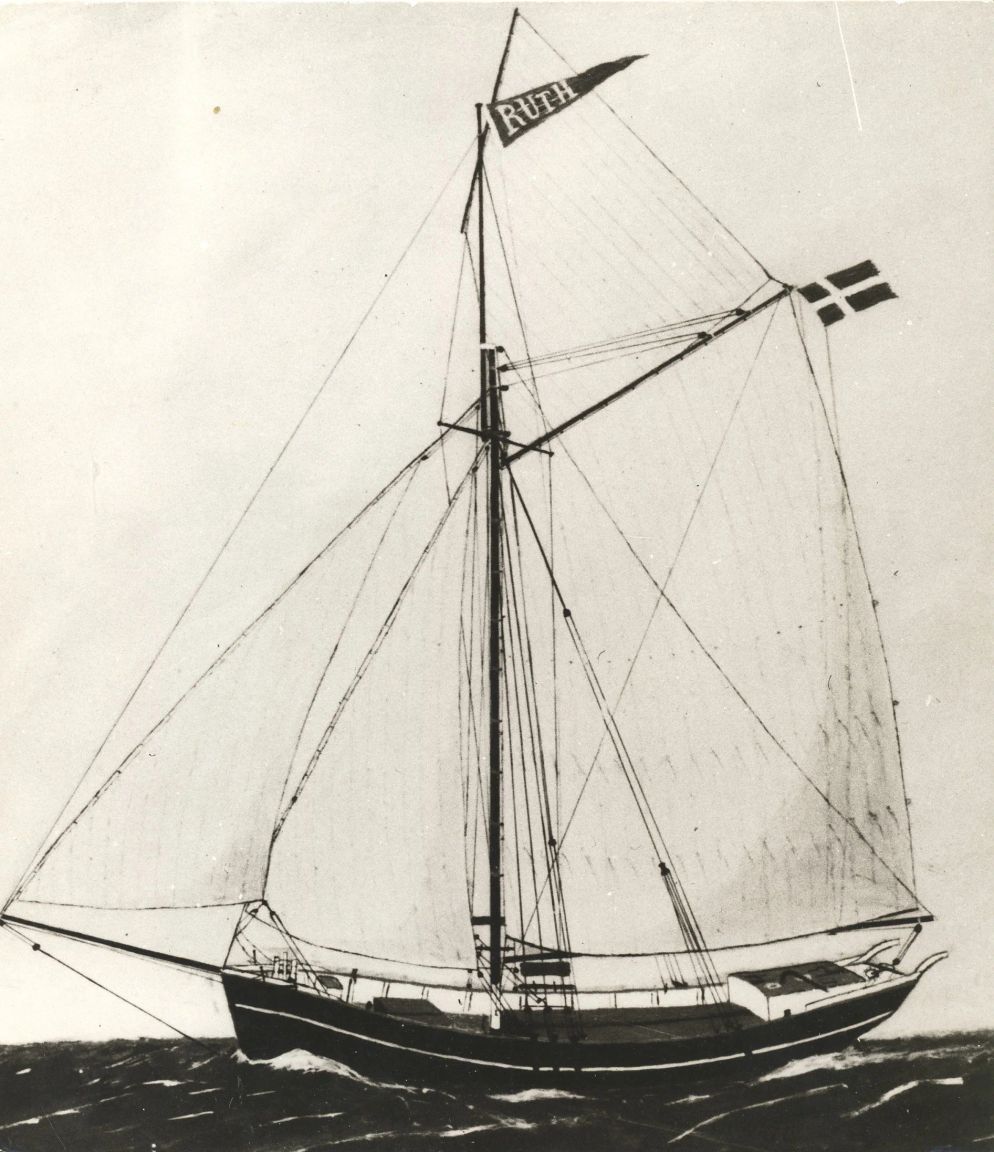
Ruth was originally named ‘Familien’ and was launched in Svinør near Mandal in 1854 – right in the middle of the period when the Agger Canal had opened up the Limfjord to shipping and created new trade opportunities. The Denmark barge was built specifically for that trade: timber and iron goods from southern Norway, and grain and agricultural produce returning from Jutland. In Svinør, it was skipper Hans Christian Ulrichsen who had Ruth built to operate on that lucrative route.
3.
113 years at sea – and then a little more
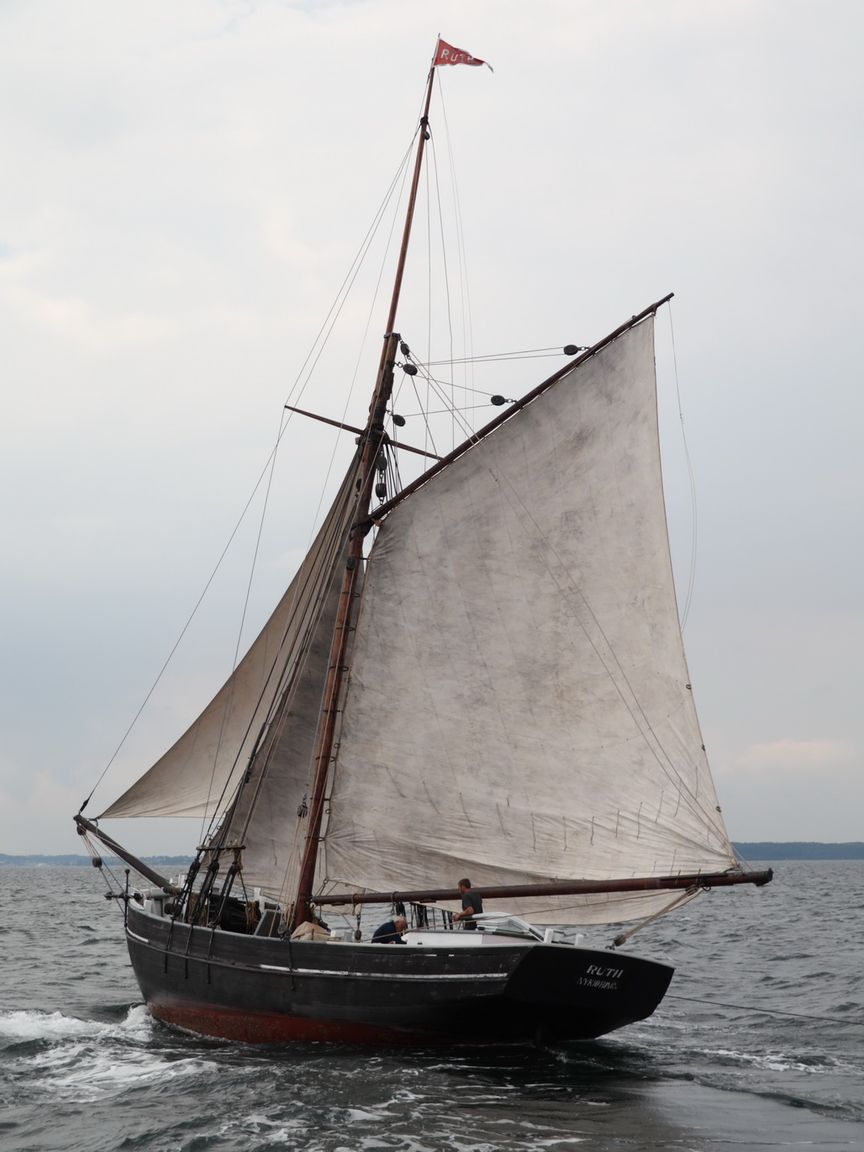
When Ruth came under Danish ownership in 1888, a new phase began: domestic cargo shipping, a succession of owners, and a new name in 1916. From 1920, the ship spent 45 years on the Limfjord under Captain Lars Christian Sørensen Dyhr, who was known in Aalborg as ‘The Floating Hotel’ for his hospitality. In 1967, the Ruth was on the verge of being used as a Midsummer’s Eve bonfire, but was saved and transferred to the National Museum of Denmark’s collection of vessels, restored over nearly three decades and made seaworthy again in 1996.
4.
Rotten, restored and a fresh start
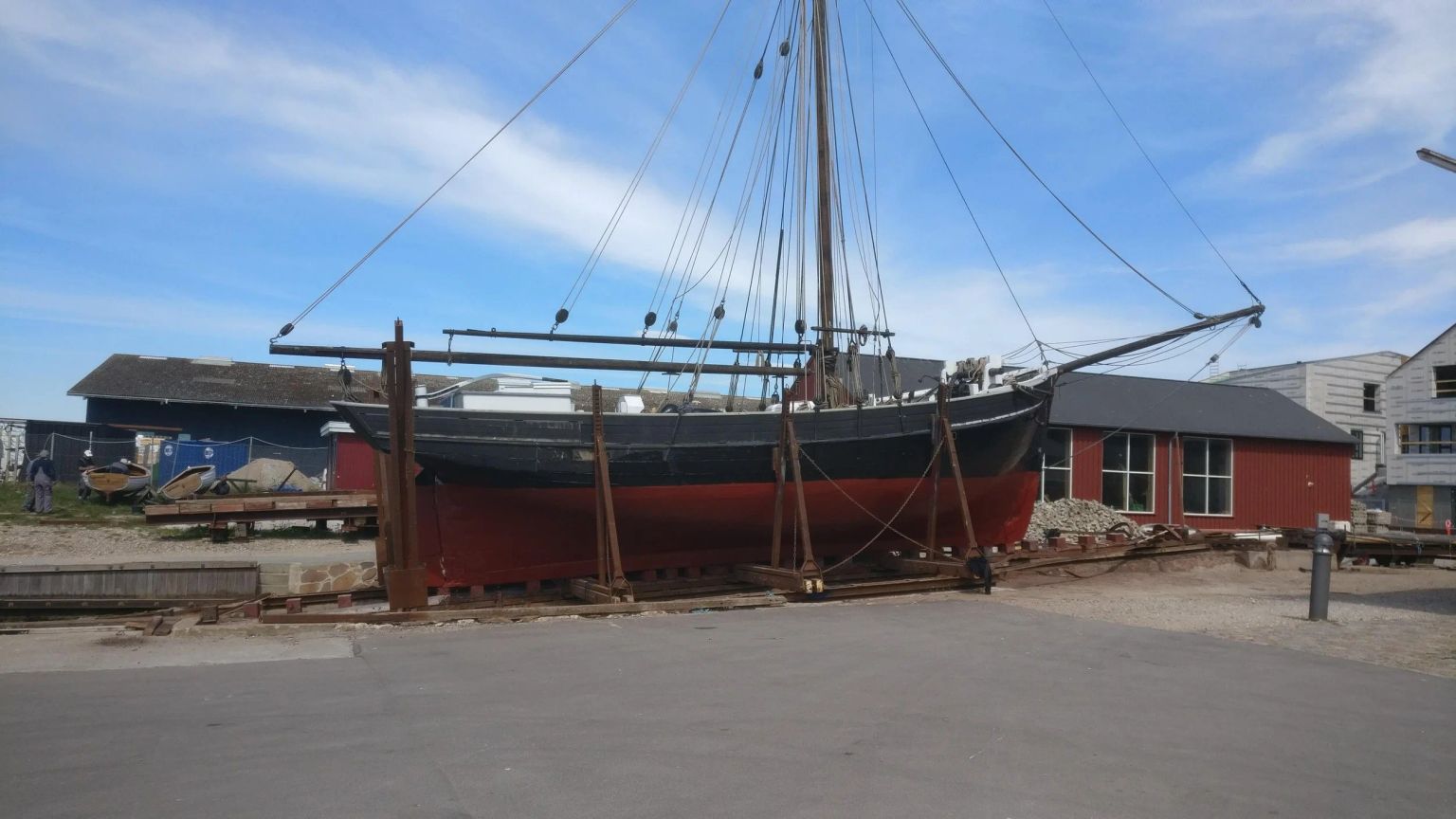
When Ruth was taking on water at Vildsund in 1967, it was on the verge of being scrapped, but the National Museum of Denmark stepped in and began a restoration project that came to span almost three decades. In 1996, the sloop was finally seaworthy again, and a voluntary sailing club took over and sailed Ruth around Danish and Norwegian waters. But wood is a living material, and in 2010 rot appeared in the frames amidships, and by 2022 the hull was so leaky that Ruth had to be taken out of the water and into the shipyard hall in Holbæk.
Vessel details
Length on deck: 14.5 m.
Length overall: 20.2 m.
Beam: 5 m.
Draught: 1.75 m.
Height from waterline to top of mast: 18.8 m.
Tonnage: 19.62 GRT.
Cargo capacity: 20 tonnes
Engine: None
Original crew: Skipper, mate and deckhand
Visit Ruth at the shipyard